




Digital community engagement and risk communication model for Vector-Borne Diseases
OMNIVEC India is a multi-site implementation research initiative designed to strengthen the prevention and control of vector-borne diseases, including dengue, malaria, and lymphatic filariasis, through a digital communication approach.
The initiative focuses on the development and evaluation of a context-specific, digital omnichannel model for community engagement and risk communication (CERC). The model leverages digital technology to help communities better understand risks, adopt preventive behaviors, and actively participate in disease prevention and control.
About the Study
Vector-borne diseases continue to affect millions of people across India. Diseases such as dengue, malaria, and lymphatic filariasis remain major public health concerns despite ongoing prevention efforts.
ICMR’s multicenter project, “Community Engagement and Risk Communication (CERC) for outbreak preparedness of Vector-Borne Diseases (VBDs),” is being implemented in collaboration with five institutions across India to address existing gaps in awareness, risk communication, and community engagement.
The selected study sites represent urban, rural, tribal, and other underserved populations, enabling the development of context-specific yet scalable solutions that can be adapted across diverse socio-cultural and geographical settings.
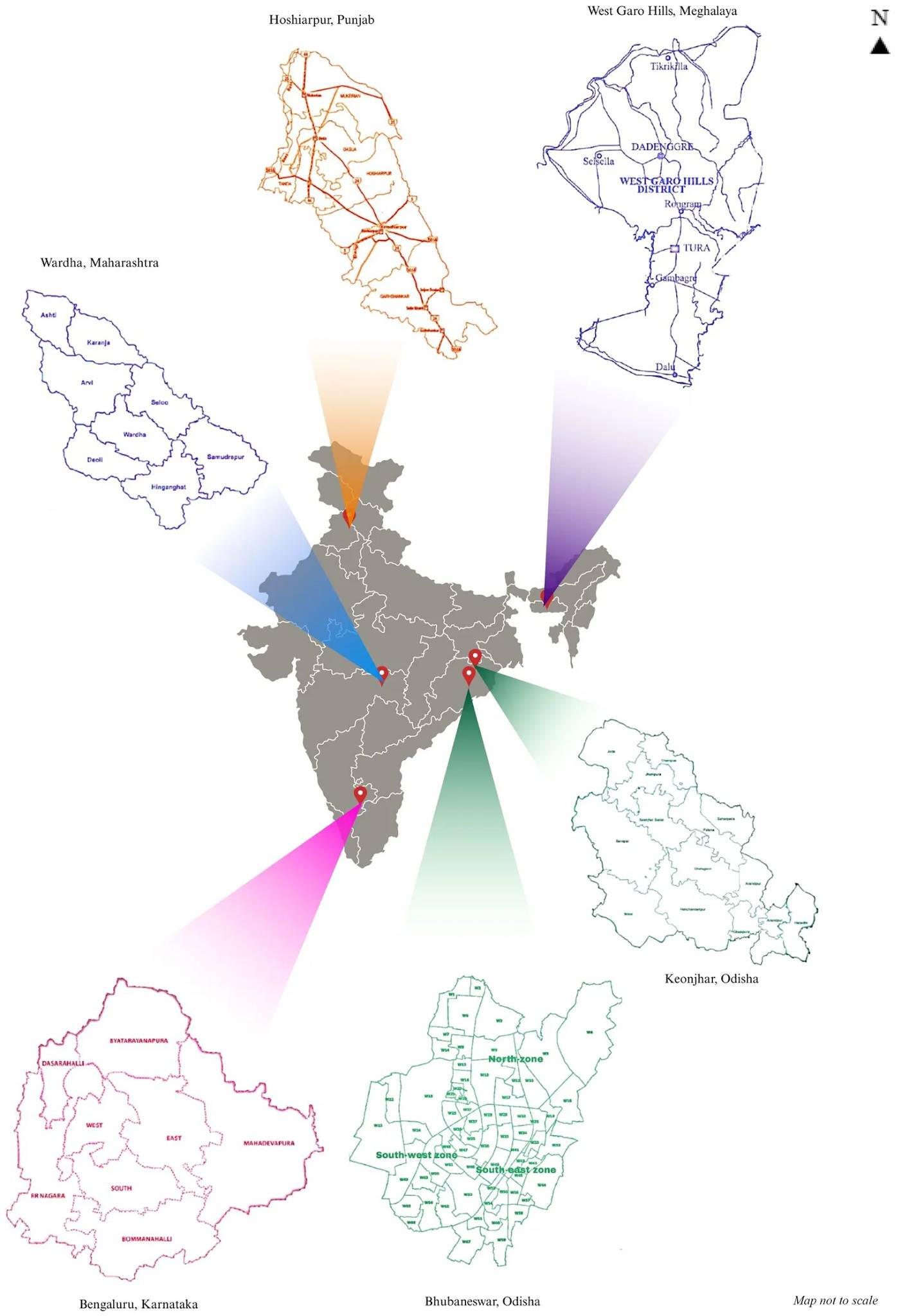
| S. No. | Implementing Research Institution | Disease in Focus | Study Site |
|---|---|---|---|
| 1 | ICMR- National Institute of Child Health Research (NICHR), New Delhi | Dengue | Bhunga Block, Hoshiarpur, Punjab |
| 2 | Mahatma Gandhi Institute of Medical Sciences (MGIMS), Sevagram | Dengue | Deoli Block, Wardha, Maharashtra |
| 3 | ICMR-National Institute of Health Research (NIHR), Bhubaneswar | Dengue + Lymphatic Filariasis (LF) | Ghasipura, Keonjhar (LF), Bhubaneswar (Dengue), Odisha |
| 4 | Indian Institute of Public Health (IIPH), Shillong | Dengue + Malaria | Tribal population in West Garo Hills, Meghalaya |
| 5 | St. John’s Medical College, Bengaluru | Dengue | Urban under-privileged population in Bengaluru |
What Are We Doing?
1. Understand Community Needs
We study knowledge, practices, risk perceptions, map locally used digital communication platforms and how communities share and receive health information through these platforms to inform the design of context-specific CERC strategies.
2. Co-Design Solutions
Together with communities and stakeholders from health systems, we co-develop evidence- informed, tailored CERC strategies.
3. Build a Digital + Community Network
We combine digital communication with offline community engagement to improve awareness and promote preventive action.
4. Test and Improve What Works
We evaluate how acceptable and feasible the digital omnichannel CERC model is in promoting behavior change outcomes.
What is the OMNIVEC Digital Channel?
The model leverages widely used digital ecosystems within target communities to disseminate health information focused on the prevention and control of dengue, malaria, and lymphatic filariasis.
Rather than relying on a single mode of communication, OMNIVEC follows an omnichannel approach, bringing together multiple digital platforms such as:
- - WhatsApp and other social media platforms
- - Web-based information pages
- - Audio-visual and digital storytelling
- - Community outreach and local engagement activities
The goal is simple: to deliver the right information, at the right time, through platforms that people trust and regularly use.
Recognizing the diversity across communities, the CERC strategies are designed to be context-specific, adapting to differences in language, culture, local needs, and digital access across study sites to ensure communication remains meaningful and accessible.